
How to save money without feeling broke
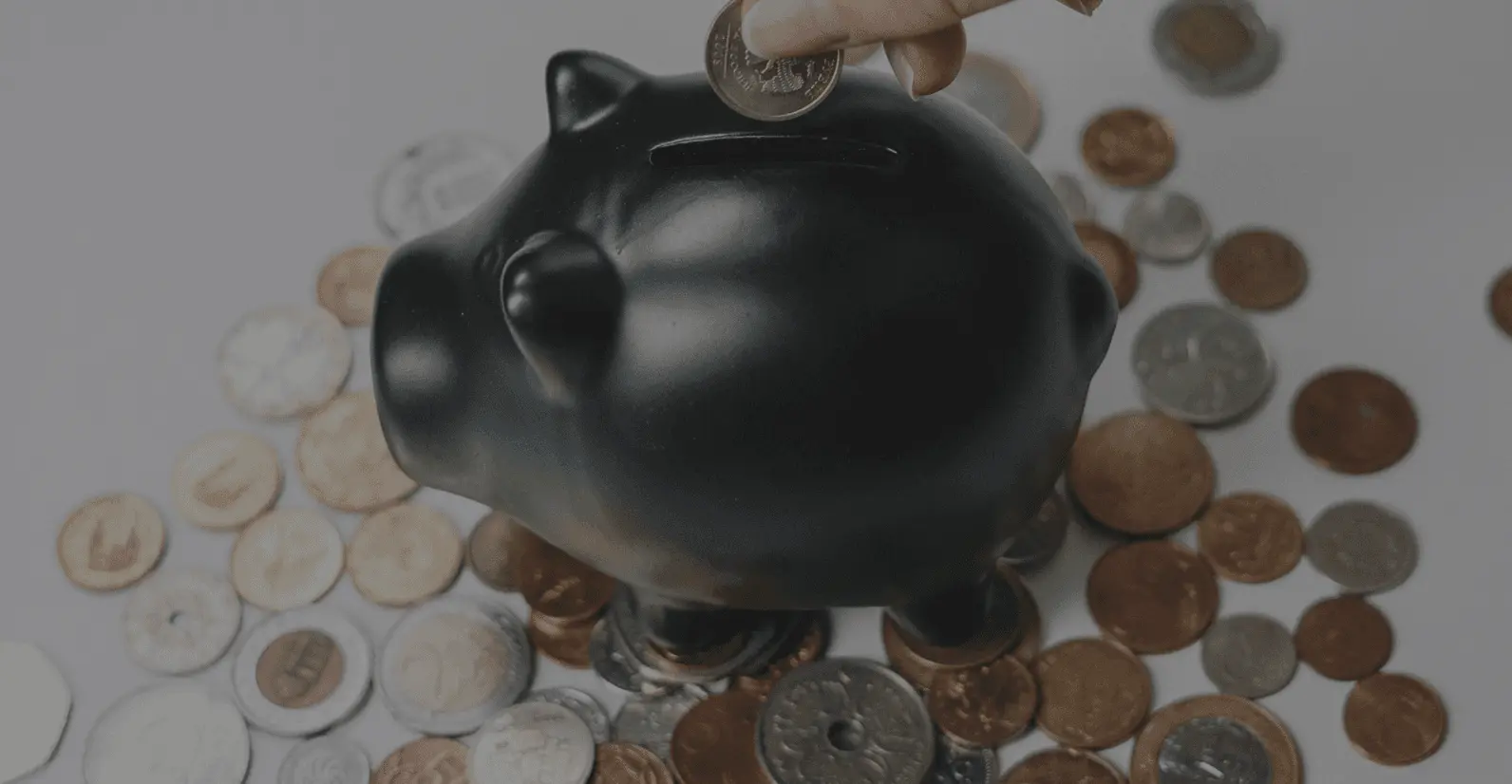
Trying to save money when you're already stretched thin feels like being told to run faster when you're out of breath. You know you should be putting something aside, but after rent, bills, groceries, and the occasional thing that keeps you sane, there's not much left. If that's where you are right now, this isn't going to be another lecture about avocado toast.
The truth is, saving doesn't have to mean suffering. You don't need to cut everything fun out of your life and eat rice and beans until your debt is gone. What you need are smarter habits that let you save without feeling like you're constantly depriving yourself.
Financial FOMO is costing you real money
Let's be honest about something: scrolling through social media and seeing people living their best life while you're stressing over your credit card bill does not feel great. It makes you want to keep up, to say yes to the dinner, to buy the thing, to prove that you're doing fine too.
But here's what those posts don't show you. A lot of that lifestyle is financed by debt. Credit cards, personal loans, buy-now-pay-later plans. The person posting vacation photos might be making minimum payments on five different accounts. You're comparing your behind-the-scenes to someone else's highlight reel, and it's costing you real money.
What actually helps: Unfollow or mute accounts that make you feel like you're falling behind. Replace them with people who talk honestly about money, budgeting, and getting out of debt. The shift in your feed changes how you think about spending more than you'd expect.
Loud budgeting: being honest about your money
There's a concept called loud budgeting that's been gaining traction, and it's worth paying attention to. It's simple: instead of making excuses for why you can't go out or buy something, you just tell the truth.
"I'm paying off my credit cards, so I'm skipping dinner out this month."
"I'm saving for an emergency fund, so I'm not doing the group trip."
That's it. No elaborate stories. No pretending you're busy. Just being straightforward about your financial priorities.
Roughly 27% of credit card purchases are influenced by social media.
This isn't about embarrassment. It's the opposite. When you're open about working toward a financial goal, most people respect it. Some will even tell you they're dealing with the same thing. Having honest conversations about money breaks the isolation that makes debt feel so heavy. And it takes the pressure off you to spend money you don't have just to keep up appearances.
Spending smarter without giving things up
Here's the part most saving advice gets wrong: it tells you to stop doing things you enjoy. That's a recipe for burnout. A better approach is to find cheaper ways to do the things you already like.
- Clothes: Try thrift stores or clothing swaps with friends before buying new. You'd be surprised how much good stuff people are getting rid of.
- Skincare and self-care: Social media pushes $200 products, but dermatologists regularly recommend drugstore brands that cost under $20. CeraVe and Cetaphil exist for a reason.
- Fitness: YouTube has thousands of free workout videos. Local parks have pull-up bars and running trails. A gym membership is nice, but it's not required.
- Entertainment: Library cards are free and most libraries now offer streaming services, ebooks, and audiobooks. Game nights at home cost almost nothing.
The goal isn't to stop enjoying your life. It's to stop letting your credit card pay for it. When you're not quietly going into debt to have fun, the fun actually feels better because there's no guilt attached.
The "wealth" myth keeping you in debt
There's a trend you've probably seen online where people spend serious money to look casually rich. Minimalist designer clothes, $600 plain t-shirts, "quiet luxury." It looks effortless, but it's expensive, and it puts pressure on people to spend money they don't have for an image that doesn't pay the bills.
Real financial stability doesn't look like anything in particular. It looks like not panicking when your car breaks down because you have savings. It looks like sleeping well because you're not dodging calls from collectors. It looks like being able to say "no" to something expensive without feeling ashamed.
If you're actively managing your debt and making better financial decisions, you're doing better than a lot of the people posting luxury hauls online. That's worth remembering.
Everyday habits that actually work
You don't need a complete lifestyle overhaul. Start with a few of these and build from there:
- The 72-hour rule. Before any non-essential purchase, wait three days. Most of the time, the urge passes and your bank account stays intact.
- Cashback apps and rewards cards. If you're going to spend money anyway, get something back. Apps like Rakuten or a no-fee cashback card put a few dollars back in your pocket on purchases you'd make regardless.
- The needs vs. wants check. Before buying, ask yourself: do I need this, or do I want this? It's a simple question, but it changes your spending patterns over time when you're honest with the answer.
- Automate your savings. Set up an automatic transfer of even $25 a week to a savings account. When the money moves before you see it in your checking account, you adjust to living without it surprisingly fast.
These are small shifts, not dramatic sacrifices. But over a few months, they add up to real money, less stress, and the feeling that you're actually moving forward instead of running in place.
Final thoughts
The real win isn't a perfect Instagram feed or a closet full of expensive things. It's looking at your bank account without that knot in your stomach. It's knowing that if something unexpected happens, you have a cushion. It's going to bed without debt keeping you up at night.
You don't have to figure this all out overnight. Start with one or two habits from this post. See how it feels after a month. Then add another one. Progress doesn't have to be dramatic to be real.
And if you want some help building a plan that fits your actual financial situation, tools like Toya can map out a personalized approach to managing debt and saving at the same time.
Whatever your starting point, you deserve a financial life that works for you, not one that just looks good to other people.
Related reading
- Do 'No-Buy' Challenges Actually Work? -- A structured approach to cutting spending and building awareness.
- How to Build an Emergency Fund While Paying Off Debt -- Start saving without sacrificing your debt payoff progress.
- Debt Anxiety? How to Regain Financial Control -- When money stress feels overwhelming, here's how to take back control.
Ready to start your debt-free journey?
Toya AI builds a personalized payoff plan so you can see your debt-free date and save on interest.
Get Started Free